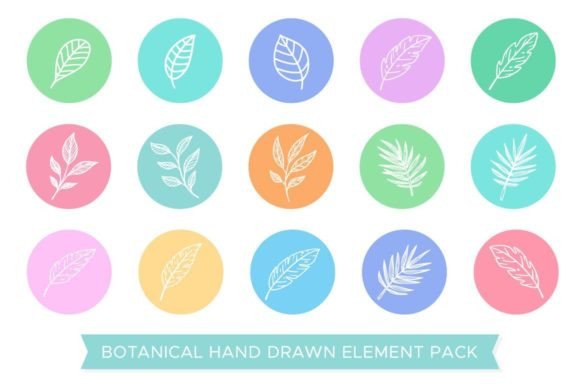
Elevating Digital and Print Design with Premium Botanical Elements
In the rapidly evolving landscape of visual communication, the intersection of nature and technology has never been more critical. Designers, marketers, and entrepreneurs are constantly seeking assets that bridge the gap between organic warmth and digital precision. This is where Botanical Elements have emerged as a cornerstone of modern creative workflows. Far more than simple decorative clips, these assets represent a sophisticated toolkit for professionals who demand versatility, quality, and aesthetic resonance in their projects.
The current market trend leans heavily towards authenticity and biophilic design—the concept of connecting occupants more closely to nature. As consumers become increasingly discerning about the brands they support and the content they consume, there is a palpable shift away from sterile, overly corporate aesthetics toward visuals that feel grounded, alive, and hand-crafted. Botanical hand drawn vector elements perfectly satisfy this demand, offering the imperfection and charm of human artistry combined with the scalability required for high-end production.
The Strategic Value of High-Fidelity Vector Assets
When discussing the utility of botanical illustrations in a professional context, the file format is not merely a technical detail; it is a strategic asset. The inclusion of files in AI (Adobe Illustrator), EPS 10, and SVG formats ensures that these elements are future-proof. For a graphic designer working on a massive billboard or a web developer optimizing an icon for a retina display, the ability to scale an image without losing resolution is non-negotiable.
Vector graphics allow for infinite manipulation. A single leaf illustration can be recolored to match a specific brand palette, deconstructed to create a unique pattern, or animated for a digital interface. This flexibility addresses the changing needs of the industry, where agility and adaptability are paramount. Freelancers and agencies alike benefit from having a library of assets that can be modified on the fly, reducing turnaround times and allowing for greater creative experimentation.
Furthermore, the availability of PNG files at 300dpi and high-resolution JPEGs caters to the immediate needs of non-vector workflows. Social media managers, scrapbookers, and content creators often require drag-and-drop functionality for rapid deployment. By providing both editable source files and ready-to-use raster images, a comprehensive botanical collection supports a diverse range of workflows, from the meticulous layout of a wedding invitation to the quick turnaround of an Instagram story.
Bridging Traditional Craft and Modern Technology
The resurgence of interest in hand-drawn aesthetics is not a rejection of technology but a refinement of how we use it. In an era dominated by AI-generated imagery and stock photography that can feel impersonal, there is a growing appreciation for the nuance found in traditional illustration techniques. Botanical elements capture the delicate veins of a leaf, the subtle gradient of a petal, and the organic asymmetry of a branch in a way that feels authentic.
This blend of old-world charm and new-world utility is driving attention toward these assets. Marketers understand that storytelling is key to engagement. A brand selling organic skincare, artisanal coffee, or sustainable fashion uses botanical imagery to visually communicate its values before a single word of copy is read. These elements serve as visual shorthand for quality, nature, and care.
Consider the workflow of a modern packaging designer. They might start with a SVG file to create a seamless repeating pattern for a product box, ensuring the print output is crisp regardless of the substrate. Simultaneously, they might use the PNG versions to mock up the product for a client presentation or e-commerce listing. This seamless integration across different stages of the design process highlights why such comprehensive collections are becoming indispensable.
Applications Across Industries and Lifestyles
The versatility of botanical illustrations extends far beyond traditional graphic design. Their application spans various sectors, reflecting broader consumer trends towards personalization and experiential design.
- Branding and Identity: Companies are moving away from rigid logos toward more fluid, illustrative brand marks. Botanical elements allow for the creation of unique emblems that stand out in a crowded marketplace.
- Web and UI Design: With the rise of responsive design, SVG botanical icons provide lightweight, scalable graphics that enhance user interfaces without slowing down load times.
- Print and Publishing: From editorial layouts in lifestyle magazines to the cover art of novels, these elements add a layer of sophistication and texture that flat colors cannot achieve.
- Craft and DIY: The maker movement continues to thrive. Enthusiasts using cutting machines for vinyl decals, heat transfers, or paper crafts rely on clean vector paths to ensure precise cuts.
- Textile and Surface Design: Fashion and home decor industries utilize these patterns for fabrics, wallpapers, and ceramics, driven by the enduring popularity of floral and foliage motifs.
For entrepreneurs launching a new venture, having access to a curated set of 15 distinct botanical illustrations provides a cohesive visual language. Instead of piecing together mismatched clip art from various sources, a unified collection ensures consistency across all touchpoints. This consistency builds trust and recognition, which are vital for business growth.
Adapting to Changing Consumer Expectations
Today's consumers are environmentally conscious and visually literate. They can distinguish between generic stock assets and thoughtful design. The preference for botanical hand drawn vector elements signals a desire for products and services that feel curated and intentional. This shift influences how professionals approach their projects.
In the realm of digital marketing, the pressure to produce high-quality visual content daily is immense. Tools that streamline this process without sacrificing quality are highly valued. A collection that offers multiple file formats eliminates the friction of converting files or searching for alternative resolutions. It empowers creators to focus on the narrative and the strategy rather than getting bogged down in technical limitations.
Moreover, the educational sector has seen an increase in the use of botanical illustrations for teaching materials, presentations, and infographics. The clarity of vector lines makes complex biological structures easier to understand, while the aesthetic appeal keeps learners engaged. This demonstrates the cross-functional utility of these assets, serving both artistic and informational purposes.
The Future of Visual Assets in a Digital-First World
As we look forward, the role of static imagery is expanding into dynamic and interactive experiences. Botanical elements are well-positioned to lead this charge. Because they are often provided in vector formats like SVG and AI, they are inherently ready for animation. Web designers can bring a swaying branch or a blooming flower to life using CSS or JavaScript, creating immersive experiences that captivate users.
The trend towards minimalism in web design also favors botanical elements. A single, well-drawn leaf can serve as a powerful focal point against a clean background, adhering to the "less is more" philosophy while retaining visual interest. This balance is crucial for maintaining user attention spans in an information-saturated environment.
Additionally, the rise of print-on-demand services has democratized entrepreneurship. Individuals can now launch businesses selling custom stationery, apparel, and home goods with minimal upfront investment. High-quality botanical illustrations are among the most popular choices for these ventures. The availability of files compatible with cutting machines and high-DPI print requirements directly supports this economic model, enabling creators to turn digital files into tangible products effortlessly.
Practical Observations for Professionals
For the working professional, the value of a resource lies in its reliability and ease of use. When integrating botanical elements into a project, consider the following practical approaches:
- Layering and Depth: Use the transparency features of PNG files to layer different botanical elements, creating complex compositions that feel three-dimensional and rich.
- Color Customization: Leverage the AI and EPS files to alter hues and saturation, ensuring the elements align perfectly with your brand guidelines or seasonal campaigns.
- Hybrid Workflows: Combine hand-drawn botanical vectors with photography. Placing a vector illustration over a photographic background can create a striking mixed-media effect that is currently very popular in advertising.
- Scalability Testing: Always test your SVG and EPS files at extreme sizes to ensure that the line weights remain appropriate and legible, adjusting stroke widths as necessary for different mediums.
The inclusion of JPEG files alongside vector formats acknowledges that not every user is a vector expert. This inclusivity broadens the audience, making professional-grade assets accessible to hobbyists and small business owners who may not have advanced design software but still require high-quality visuals for their blogs, social media, or local flyers.
Conclusion: Investing in Quality and Versatility
In conclusion, the adoption of premium Botanical Elements is a strategic decision that aligns with current market demands for authenticity, sustainability, and aesthetic excellence. Whether you are a seasoned graphic designer, a marketing entrepreneur, or a creative enthusiast, the ability to access high-resolution, multi-format illustrations empowers you to produce work that stands out.
The convergence of hand-drawn artistry and digital flexibility represents the best of both worlds. It honors the tradition of botanical illustration while embracing the possibilities of modern technology. As industries continue to evolve and consumer preferences shift towards more meaningful and visually engaging content, these assets will remain a vital component of the creative toolkit. By choosing resources that offer depth, variety, and technical robustness, professionals can ensure their work remains relevant, impactful, and beautiful in an ever-changing digital landscape.
Ultimately, the goal is to create connections—between the brand and the customer, the message and the medium, the artificial and the natural. Botanical elements serve as a bridge, bringing a touch of the organic world into our digital and physical creations, enriching the viewer's experience and elevating the standard of visual communication.