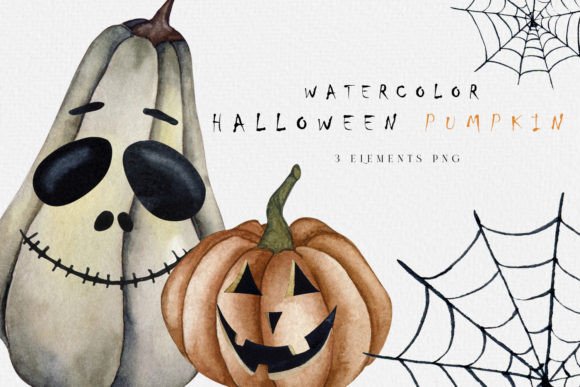
Spooky Watercolor Halloween Elements for Every Creator
The crisp air of autumn often brings a surge of creative energy, especially when October approaches. For many, this season is not just about costumes and candy; it is a prime opportunity to design, decorate, and share spooky aesthetics with the world. At the heart of these projects often lies a specific set of resources: Halloween Elements. Specifically, watercolor-style clipart in PNG format has become a staple for anyone looking to add a hand-painted, organic feel to their digital or physical creations without needing to master brushstrokes themselves.
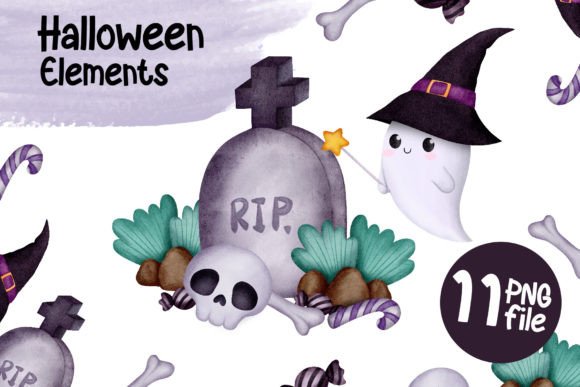
When you download a collection of high-quality watercolor assets, such as a compressed zip file containing eleven large 300 DPI images, you are essentially unlocking a toolkit that serves vastly different purposes depending on who is holding the keys. What looks like a simple ghost or pumpkin to one person might be the cornerstone of a small business's holiday marketing campaign to another. Understanding how these elements function across various skill levels and industries helps clarify why they are such a versatile resource.
Defining the Resource
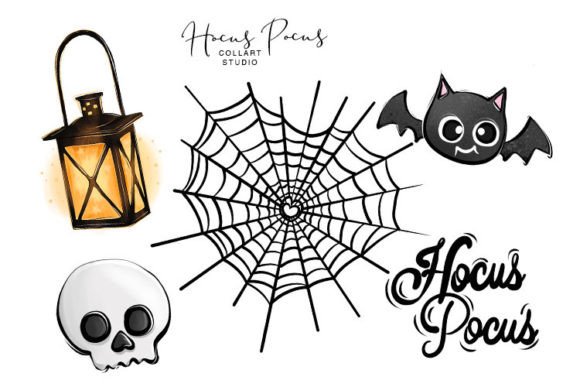
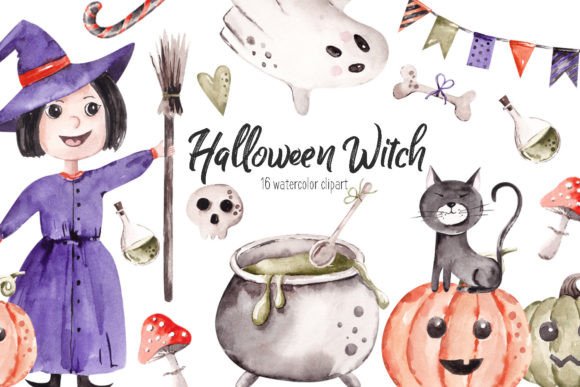
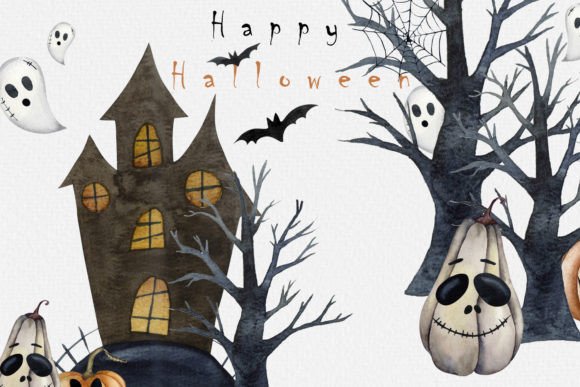
In the context of digital design, Halloween Elements refers to individual graphic components isolated from a background, ready to be layered into larger compositions. The "watercolor" descriptor implies a specific texture—soft edges, bleeding colors, and a painterly quality that mimics traditional art. Because these files are provided as PNGs with transparent backgrounds, they integrate seamlessly into any project, whether it is a website banner or a printed sticker.
The technical specification matters immensely here. A resolution of 300 dots per inch (DPI) indicates print-ready quality. While screen graphics often suffice at 72 DPI, anything intended for physical production requires higher density to avoid pixelation. This distinction immediately separates casual web users from professional printers, yet both groups can utilize the same source file effectively if they understand its capabilities.
Perspectives from Beginners and Hobbyists
For the beginner or the weekend hobbyist, the primary value of pre-made Halloween Elements lies in accessibility and ease of use. Not everyone has the time to learn complex illustration software or the artistic confidence to paint a realistic witch's hat from scratch. These users often prioritize speed and simplicity.
Consider a parent wanting to create custom invitations for a neighborhood party. They might use free or low-cost design software on a tablet. By importing a watercolor pumpkin PNG, they instantly elevate a basic text document into something festive and polished. The transparent background means they do not have to worry about awkward white boxes ruining the layout. For this demographic, the "learning curve" is nearly non-existent; the focus is entirely on arrangement and personalization rather than creation from zero.
- Scrapbooking: Preserving memories of trick-or-treating with decorative borders.
- Home Decor: Printing elements to frame or attach to handmade garlands.
- Social Media: Adding flair to Instagram stories without needing graphic design skills.
The Professional and Entrepreneurial Angle
Shift the lens to small business owners, marketers, and freelancers, and the conversation changes from convenience to commercial viability and brand consistency. An entrepreneur selling baby clothes or stationery needs assets that look professional enough to justify a price point but unique enough to stand out in a saturated market.
A freelancer designing a poster series for a local theater company might choose watercolor elements specifically to evoke a nostalgic, storybook atmosphere that vector graphics cannot replicate. Here, the priority is quality and flexibility. The 300 DPI resolution ensures that when these designs are blown up for a lobby poster, the watercolor texture remains crisp and detailed. If the files were low resolution, the business would risk looking amateurish, potentially damaging their reputation.
Furthermore, professionals often evaluate these packs based on licensing and versatility. Can these eleven images be recolorized in Photoshop to match a specific brand palette? Can they be combined to create entirely new characters? For a marketer, the ability to tweak a watercolor ghost to wear a company logo is a significant advantage over rigid, pre-rendered illustrations.
Educators and Content Creators
Educators and bloggers occupy a unique middle ground. They need content that is engaging for an audience (students or readers) but also efficient to produce. A teacher creating worksheets for a kindergarten class might use these elements to make math problems feel like a game. A blogger writing about autumn recipes might use a watercolor leaf or cauldron to break up text and add visual interest to their site.
For these groups, the presentation is key. Watercolor elements soften the digital harshness of a screen, making educational materials feel warmer and more inviting. The reliability of having a dedicated folder of themed assets saves hours of searching for "free images" that often come with watermarks or poor lighting.
Evaluating Fit for Your Projects
Deciding whether a specific pack of Halloween Elements is right for you comes down to aligning the asset's features with your project goals. Ask yourself what matters most for your current undertaking:
- Print vs. Digital: If you are making t-shirts or art prints, the 300 DPI specification is non-negotiable. If you are only designing for a website, lower resolution might work, but starting with high quality gives you room to grow.
- Style Consistency: Does the watercolor style match your existing brand? A corporate law firm might find watercolor too whimsical, while a boutique bakery would find it perfect.
- Variety: A set of eleven images offers a curated selection. Is this enough variety for your campaign, or will you need to supplement it with other graphics?
It is also worth considering the long-term usefulness of the files. Unlike trend-specific memes, classic Halloween imagery like pumpkins, bats, and moons has evergreen value. You can use the same watercolor bat image on a flyer this year, a social media post next year, and a product label the year after. This longevity increases the return on investment for purchasers, whether they spent five dollars or fifty.
Crafting with Confidence
Ultimately, the power of these digital tools lies in how they empower the user. Whether you are a seasoned graphic designer looking for a quick texture overlay or a novice crafter making your first sticker sheet, the barrier to entry is lowered. You do not need to be an artist to create art; you simply need the right elements and a vision.
By understanding the nuances of file formats, resolution, and stylistic intent, you can move beyond simply "using clipart" to strategically incorporating Halloween Elements into a cohesive design strategy. The watercolor aesthetic provides a human touch in an increasingly digital world, reminding viewers of the handmade tradition behind the holiday spirit. When you unzip that file and see the eleven distinct images waiting inside, you are not just looking at pictures; you are looking at the raw materials for your next successful project, tailored exactly to the needs of your specific audience.