Unlocking the Potential of Isolated Spider Web Art for Your Next Creative Project
There is a specific kind of magic that happens when you find the perfect graphic element to tie a design together. It's that moment when a concept clicks, and suddenly, your project goes from "good" to "unforgettable." For anyone working in the realm of Halloween decor, gothic aesthetics, or even just looking to add a touch of eerie elegance to everyday items, isolated spider web art is one of those versatile tools that deserves a permanent spot in your creative toolkit. Whether you are a seasoned graphic designer or a hobbyist who loves crafting with a Cricut, understanding how to leverage these designs can open up a world of possibilities.
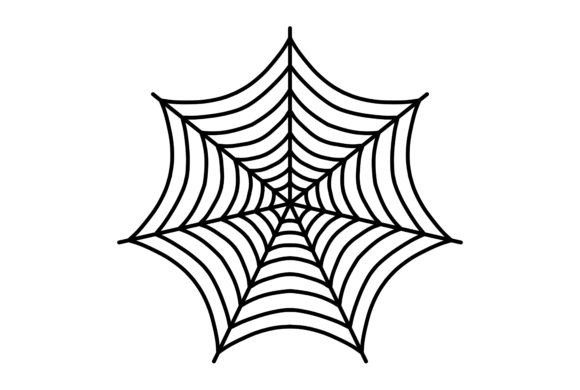
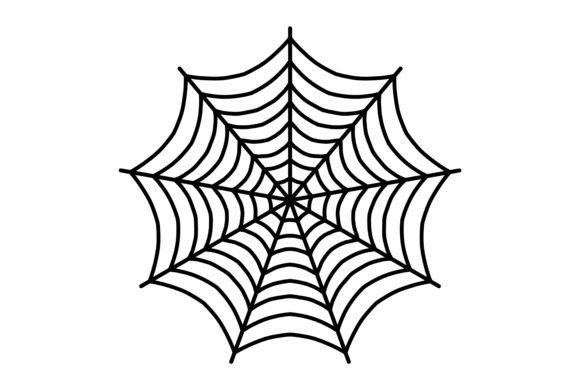
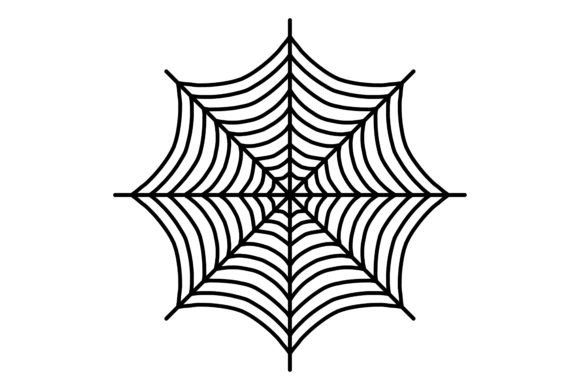
At its core, isolated spider web art refers to high-quality illustrations of webs that have been rendered without any background clutter. This isolation is crucial. It means the design is ready to be dropped onto any surface, color, or texture without needing hours of editing in Photoshop to remove a white box or a distracting backdrop. Imagine having a transparent cartoon illustration that captures the spooky spirit perfectly but remains clean enough to sit elegantly on a wedding invitation with a gothic twist or a bold banner for a haunted house event. That is the power of a well-executed isolated graphic.
From Digital Screens to Physical Crafts
The beauty of these graphics lies in their adaptability across different mediums. One of the most popular applications today is in the world of cutting machines. If you own a Cricut or Silhouette, you know that finding a design that cuts cleanly is half the battle. A high-resolution spider web design is perfect for when you want to cut something out of paper, vinyl, or even heat transfer material. Because the lines are distinct and the image is isolated, the machine follows the intricate paths of the web effortlessly, resulting in delicate, lace-like structures that look professional rather than jagged or messy.
Consider the scenario of a small business owner preparing for the autumn rush. You might be creating custom stickers to sell at a local craft fair or designing print-on-demand t-shirts for an online store. Using a scary design sign or a subtle web overlay can instantly categorize your product as seasonal without screaming "cheap costume." The key here is the quality of the source file. When you are working with a file that boasts a resolution like 4936x3319 pixels at 762 DPI, you aren't just getting an image; you are getting a asset that can be scaled up for a large banner or scaled down for a business card without losing a single strand of detail. This level of clarity ensures that whether your customer sees it on a phone screen or holds a physical greeting card in their hand, the experience is premium.
Elevating Branding and Marketing Materials
It is not just about Halloween parties; there is a growing market for gothic and alternative aesthetics in mainstream branding. Think about book covers for mystery novels, artwork for music albums, or even blog headers for writers who specialize in true crime or horror fiction. An isolated spider web can serve as a framing device, drawing the eye toward the title or the central character. It adds texture and depth to what might otherwise be a flat layout.
For marketing professionals, these elements are gold. Imagine creating a series of invitation cards for an exclusive evening event. Instead of using standard clip art that everyone else has seen, utilizing a unique, transparent illustration allows you to layer the web over textured paper backgrounds or dark gradients. This creates a sophisticated mood. Similarly, for websites, these graphics can be used as subtle watermarks or section dividers, adding thematic consistency without overwhelming the user interface. The versatility extends to scrapbooking as well, where enthusiasts can layer these digital prints onto physical pages to create mixed-media masterpieces that tell a story of suspense and intrigue.
Technical Considerations for Best Results
While the creative possibilities are endless, there are practical considerations to keep in mind before you start designing. The first is file format. Most professional isolated art comes in a ZIP folder containing both PNG and JPG versions. The PNG is your best friend here because it supports transparency. If you try to use a JPG with a white background for a sticker or a dark-themed website, you will end up with an unsightly white box around your web. Always check that you are working with the PNG file for layering purposes.
Software compatibility is another factor. Whether you are using industry standards like Adobe Illustrator and Photoshop, free alternatives like GIMP, or simpler tools like Photoshop Elements, these high-resolution files are designed to play nice with them all. However, remember that vector software (like Illustrator) handles scaling differently than raster software (like Photoshop). Since these specific isolated spider web arts are often provided as high-DPI raster images, they are optimized for printing on paper rather than infinite scaling like a vector SVG. This makes them ideal for the specific use cases mentioned earlier—book covers, banners, and cards—where the final output size is known and fixed.
Another consideration is the style of the web itself. "Scary" can mean many things. Some projects require a realistic, dusty, abandoned look, while others benefit from a more stylized, cartoonish approach. The transparent cartoon illustration style mentioned in many modern packs offers a balance; it is recognizable and thematic without being so gritty that it clashes with colorful designs. This makes it suitable for a wider audience, including family-friendly Halloween events where the goal is "spooky fun" rather than genuine terror.
Maximizing Value in Print on Demand
If you are diving into the world of print on demand, the resolution of your artwork is the difference between a five-star review and a refund request. A 762 DPI file is exceptionally sharp. When printed on paper, this density ensures that the fine lines of the spider web do not blur or pixelate. This is particularly important for items like greeting cards or art prints where customers expect gallery-quality results. By starting with such a robust file, you give yourself the flexibility to experiment with different printing techniques, such as embossing or foil stamping, which rely on crisp lines to adhere properly.
Furthermore, think about the longevity of your designs. Trends come and go, but the aesthetic of the spider web is timeless within its niche. By investing in high-quality isolated art now, you are building a library of assets that you can reuse year after year. You might use the same web design for a banner this October, then repurpose it for a book cover next February, and later turn it into a sticker pack for your Etsy shop. The initial effort of downloading and organizing these files into your system pays off every time you need a quick, reliable graphic that looks professional.
In the end, the goal of using isolated spider web art is to enhance your vision, not complicate it. It removes the friction of creating complex textures from scratch and allows you to focus on the bigger picture of your project. Whether you are amazing your customers with a new line of scary design signs or simply decorating your home for the season, having access to premium, versatile, and high-resolution graphics transforms the entire process. It turns a simple idea into a tangible, impressive reality that resonates with your audience.