Evaluating Splashes Clipart and Design Elements for Creative Projects
In the realm of digital design, the choice of visual assets can significantly influence the tone and professionalism of a project. Splashes Clipart, Design Elements represent a specific category of graphic resources characterized by organic, fluid shapes that mimic the behavior of liquid paint or ink. Specifically, sets featuring hand-painted watercolor splashes offer a unique aesthetic that bridges the gap between traditional artistry and modern digital utility. For designers, hobbyists, and business owners evaluating these assets, understanding their technical specifications, artistic qualities, and practical applications is essential before making a selection.
Understanding Hand-Painted Watercolor Aesthetics
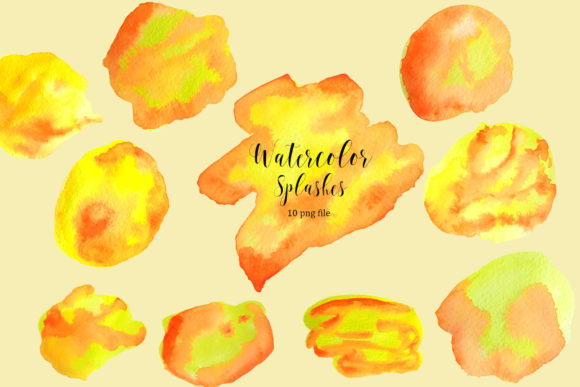
At its core, this type of clipart consists of high-resolution images capturing the spontaneous nature of watercolor painting. Unlike vector-based geometric shapes or flat digital illustrations, hand-painted watercolor splashes retain the texture, transparency, and irregular edges inherent to physical media. When a set describes itself as "hand-painted," it implies that the original source material was created with brush and pigment before being digitized. This process results in nuanced color variations and soft gradients that are difficult to replicate purely through software algorithms.
The primary appeal of these elements lies in their ability to add warmth and humanity to digital compositions. In an era where much of web and print design can feel sterile or overly corporate, incorporating organic splashes introduces a sense of movement and artistic flair. These elements are not merely background decorations; they serve as dynamic frames, dividers, or focal points that guide the viewer's eye without demanding excessive attention.
Technical Specifications and Quality Considerations
When evaluating a clipart pack, such as a standard collection of 10 high-resolution files, technical metrics are just as important as artistic style. A critical factor for professional use is resolution. High-quality sets typically offer files at 300 DPI (dots per inch), with dimensions around 3000 x 3000 pixels (approximately 10x10 inches). This specification is vital because it ensures the images remain crisp when printed on physical media like wedding invitations, greeting cards, or posters. Using lower-resolution images for print projects often results in pixelation, which can undermine the perceived quality of the final product.
Furthermore, the file format plays a significant role in usability. The industry standard for these elements is the PNG (Portable Network Graphics) format with transparent backgrounds. Transparency allows designers to layer splashes over photographs, colored paper textures, or other design elements without unsightly white boxes surrounding the image. This flexibility is crucial for creating complex compositions in software like Adobe Photoshop, Canva, or Procreate. Before purchasing, users should verify that the download includes separate image files rather than a single flattened sheet, as individual elements streamline the workflow.
Ideal Use Cases and Applications
The versatility of watercolor splash elements makes them suitable for a wide array of projects. They are particularly effective in contexts that require a touch of elegance or creativity.
- Wedding Stationery and Invitations: The soft, romantic nature of watercolor aligns perfectly with wedding themes. Splashes can frame text, serve as backdrops for monograms, or act as decorative corners on save-the-dates.
- Greeting Cards and Announcements: Whether for birthdays, holidays, or baby showers, these elements add a personal, handcrafted feel that resonates emotionally with recipients.
- Branding and Logos: For businesses in creative industries, such as boutiques, bakeries, or photography studios, a logo incorporating a watercolor splash can convey approachability and artistic sensibility.
- Digital Content: Blog headers, social media graphics, and website banners benefit from the visual interest these shapes provide, breaking up text-heavy layouts.
- Physical Crafts: Beyond digital design, these files are excellent for sublimation printing on fabric, decoupage projects, and scrapbooking, provided the printer and material can handle high-resolution graphics.
Benefits Versus Tradeoffs
Opting for a dedicated set of Splashes Clipart, Design Elements offers distinct advantages, primarily regarding time efficiency and consistency. Creating authentic watercolor effects from scratch requires significant artistic skill and time. Purchasing a pre-made pack allows users to access professional-grade art instantly. Additionally, a cohesive set ensures that all elements share a similar color palette and textural style, maintaining visual harmony across a project.
However, there are tradeoffs to consider. Because these are raster images (pixels) rather than vectors, they have a fixed maximum size. While 3000 pixels is sufficient for most standard prints, scaling them to billboard size or large-format signage may result in quality loss. Furthermore, while "hand-painted" suggests uniqueness, popular clipart sets may be used by many other designers. Those seeking absolute exclusivity for a major brand identity might need to commission custom artwork rather than relying on stock elements.
Decision-Making Insights: Is This the Right Fit?
Determining whether this specific type of clipart aligns with your goals depends on the nature of your project and your technical requirements. If your objective is to create warm, inviting, and visually textured designs for print or web, watercolor splashes are a strong candidate. They are particularly valuable for DIY enthusiasts who want professional results without the steep learning curve of digital painting.
Conversely, if your project demands sharp, geometric precision or requires infinite scalability for varied sizing (from business cards to building wraps), vector-based alternatives might be more appropriate. Similarly, if the design brief calls for a ultra-modern, minimalist, or tech-focused aesthetic, the organic unpredictability of watercolor might clash with the desired brand voice.
It is also important to manage expectations regarding the delivery method. These products are almost exclusively digital downloads. There is no physical shipment; the value lies entirely in the digital files themselves. Users must have the capability to download, store, and import these files into their preferred design software. For those unfamiliar with handling PNG files or managing layers in design programs, a brief learning period may be necessary to fully utilize the potential of these assets.
Conclusion
In summary, Splashes Clipart, Design Elements featuring hand-painted watercolor styles offer a powerful tool for enhancing visual communication. Their strength lies in their ability to inject organic beauty and emotional resonance into both digital and physical media. By providing high-resolution, transparent PNG files, these packs bridge the gap between traditional art and modern design needs. Whether for wedding planning, branding, or personal crafting, they represent a cost-effective and efficient solution for achieving a polished, artistic look. However, successful implementation requires an understanding of their raster limitations and a clear alignment with the project's aesthetic goals. By carefully weighing these factors, creators can make informed decisions that elevate the quality and impact of their work.