White Horror Cobweb: A Spooky Vector Design Guide
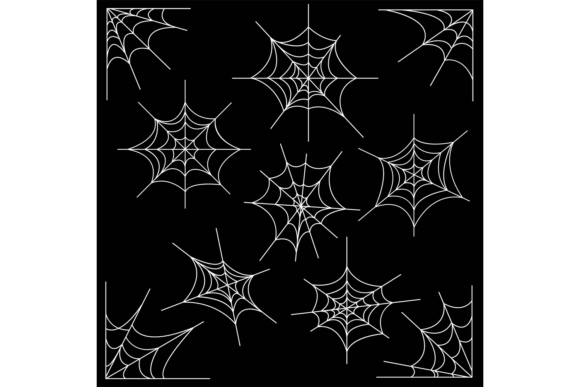
Imagine a stark, chilling contrast against a void of absolute darkness. This is the essence of the White Horror Cobweb. Unlike the dusty, gray strands found in an abandoned attic, this specific design aesthetic utilizes high-contrast white lines on a flat black background to create an immediate visual impact. It is not merely a texture; it is a stylized representation of fear, isolation, and the macabre, often rendered as a cartoon or vector illustration to ensure crisp scalability. Whether you are looking at a spider scary web cartoon isolated design or a complex set of spooky decor elements, the utility of these graphics extends far beyond simple Halloween decorations.
The appeal of such a specific asset lies in its versatility. When we discuss a vector set EPS, JPG collection featuring these themes, we are talking about tools that serve vastly different purposes depending on who holds them. For a graphic designer, it is a building block for a campaign. For a teacher, it might be a storytelling aid. For a small business owner, it could be the key to seasonal branding. Understanding how to evaluate and utilize these abstract elements requires looking past the spooky surface and examining the practical application within your specific workflow.
Defining the Aesthetic and Technical Value
At its core, a White Horror Cobweb design is defined by its isolation. In graphic design terms, "isolated" means the subject—in this case, the spider web and potentially a spider—is presented without a background, or specifically placed against a neutral one like the dark flatly black background mentioned in many collections. This allows the user to overlay the image onto any other design without worrying about clashing borders or unwanted white boxes.
The format matters immensely here. A JPG file offers a ready-to-use raster image, perfect for quick social media posts or web banners where editing flexibility is less critical. However, the EPS (Encapsulated PostScript) format is where the true power lies for professionals. As a vector file, it allows the image to be scaled infinitely without losing quality. You can stretch a tiny cobweb to cover a billboard, and the lines will remain sharp and crisp. This distinction between raster and vector is often the first checkpoint for anyone evaluating whether a specific download matches their project needs.
Perspectives from Creators and Professionals
For professional illustrators and marketing agencies, the priority is often flexibility and commercial value. A generic clip-art spider web might suffice for a quick internal memo, but a client-facing campaign demands high-quality assets. Professionals look for sets that offer variety—different angles, densities, and styles of webs. They need to know if the "cartoon" style aligns with their brand voice. Is it playfully spooky for a family event, or genuinely unsettling for a horror movie promotion?
Consider a marketing manager preparing a Halloween sale email. They might choose a spider scary web cartoon to add a touch of whimsy that doesn't alienate younger customers. Conversely, a game developer creating a UI for a horror title might seek out the more abstract, jagged elements to frame health bars or menu buttons. The decision hinges on the tone. The "White Horror" aspect suggests a specific mood—sterile, cold, and stark—which can be more effective than the traditional brown and dusty look when trying to convey a modern or supernatural threat.
Practical Applications for Small Business Owners
Small business owners, particularly those in retail or hospitality, often operate with limited budgets and time. For them, the ease of use provided by pre-made vector sets is invaluable. Instead of commissioning a custom illustration, which can be costly and time-consuming, purchasing or downloading a comprehensive set allows for immediate implementation.
- Restaurant Menus: A cafe owner can use isolated cobweb corners to frame a special October menu, printing it on black paper to make the white lines pop.
- Social Media Graphics: A boutique clothing store can overlay these elements on product photos to create thematic posts without needing advanced Photoshop skills.
- Event Signage: Haunted house operators or party planners can scale these vectors up to print large window decals or backdrop banners.
The key for this audience is reliability. They need to know that the file they download will open correctly in their standard software and that the resolution is sufficient for their intended output, whether digital or print.
Educational and Hobbyist Uses
The utility of these designs shifts significantly when viewed through the lens of educators and hobbyists. For teachers, especially those in elementary or middle school, the cartoon aspect is crucial. A realistic, gory spider might be too frightening, but a stylized, white cartoon web can be used to teach biology (arachnid structures), geometry (radial symmetry), or creative writing prompts without causing distress.
Hobbyists, such as scrapbookers or digital journal enthusiasts, value the creativity and aesthetic cohesion these sets provide. A digital planner user might import these PNG or JPG elements to decorate their October pages. The isolated nature of the design means they can layer the web over photos, textured papers, or handwritten notes seamlessly. For these users, the artistic style—the balance between "horror" and "art"—is often more important than the technical specifications of the file format.
Evaluating Quality and Long-Term Usefulness
When selecting a White Horror Cobweb set, several factors determine its long-term usefulness. First, consider the variety within the set. Does it include just one web, or does it offer a range of sizes and shapes? A diverse set ensures you won't need to search for new assets next year. Second, examine the line work. In a high-contrast black-and-white design, jagged pixels or uneven lines are immediately noticeable. High-quality vectors will have smooth, deliberate paths.
Cost is another variable. While free resources exist, paid bundles often come with better organization, licensing clarity, and higher resolution options. For a freelancer building a portfolio, investing in a premium set can signal professionalism. For a casual blogger, a free JPG might be perfectly adequate. The decision should always align with the scope of the project and the intended lifespan of the content.
Making the Right Choice for Your Project
Ultimately, determining whether a specific spider web cartoon isolated design is right for you comes down to matching the asset to your goal. If you need something quick and disposable for a social story, a raster JPG is efficient. If you are building a brand identity that will last for years, the scalability of an EPS vector is non-negotiable.
Different audiences prioritize different attributes. A startup founder might prioritize speed and cost, grabbing the first available asset that looks "good enough." A seasoned art director will scrutinize the anchor points of the vector and the stylistic consistency of the entire set. Both approaches are valid within their contexts. The beauty of digital assets like the White Horror Cobweb lies in this adaptability. They serve as a blank canvas for fear and fun, ready to be molded by the needs of the user.
By understanding the technical differences between file formats and recognizing how your specific role influences your requirements, you can move beyond simply finding a "scary picture" to selecting a strategic design element. Whether you are decorating a classroom, launching a marketing campaign, or creating digital art, these isolated abstract elements offer a powerful way to inject atmosphere into your work. The stark white against the deep black remains a timeless visual language for the spooky season, bridging the gap between playful cartoons and genuine horror.