Antique Collage Japanese Art Elements for Modern Design
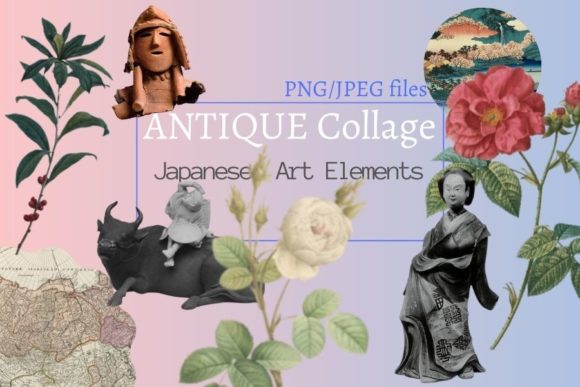
There is a distinct quietness to traditional Japanese aesthetics that modern digital design often struggles to replicate. We live in an era of flat vectors and perfect gradients, where everything feels slightly sterile. This is precisely why ANTIQUE Collage Japanese Art Elements has become such a vital resource for creatives looking to inject soul into their work. This isn't just a collection of clipart; it is a curated library of texture, history, and organic imperfection designed to bridge the gap between vintage craftsmanship and contemporary visual communication.
When you dive into this collection, you aren't just getting images; you are getting a mood. The visual personality here is defined by磨损 (wear), faded ink, and the soft blur of time. It captures the essence of wabi-sabi—the acceptance of transience and imperfection. Whether you are building a brand identity for a boutique tea shop, designing packaging for artisanal goods, or creating social media graphics that need to stop the scroll, these elements provide a layer of depth that standard stock photography simply cannot match. The appeal lies in its versatility; it feels equally at home on a high-end fashion poster as it does on a rustic wedding invitation.
Unlocking Versatility Across Print and Digital Mediums
The true strength of ANTIQUE Collage Japanese Art Elements is its adaptability across different mediums. Many design assets look great on a screen but fall apart when printed, or vice versa. This collection, however, is built with high-resolution fidelity that respects both contexts. For those working in editorial design or packaging design, the inclusion of 25 plant and flower PNGs alongside 15 landscapes offers immediate compositional tools. You can layer these over textured paper backgrounds to create a tactile feel that invites the viewer to reach out and touch the page.
Consider the specific needs of apparel and merchandise. The 10 sculpture PNGs and 28 pre-made compositions are invaluable for t-shirt design. Unlike generic graphics that often look too "digital," these elements carry the weight of history. When printed on cotton or linen, the blurred edges of the 11 blurred plants flowers PNGs mimic the natural bleed of dye, resulting in a garment that looks like it has been part of someone's wardrobe for years rather than days. Similarly, for scrapbooking and decoupage hobbyists, the variety of shapes and maps provides endless opportunities for storytelling. You aren't just decorating a page; you are constructing a narrative using visual fragments that evoke travel, nature, and memory.
In the digital realm, these assets shine just as brightly. For web design and banner creation, the 10 gradients and 10 pastel gradients JPEGs offer a subtle alternative to the harsh, neon gradients currently trending. They provide a soft, atmospheric backdrop that allows typography to breathe. If you are managing social media account promotion, particularly on visually driven platforms like Instagram, using these collages can help establish a cohesive aesthetic feed. The mix of sharp details and soft blurs creates visual interest without overwhelming the caption or the call to action. It signals to your audience that your brand values artistry and detail.
Strategic Application for Brand Perception and Hierarchy
Using ANTIQUE Collage Japanese Art Elements effectively requires more than just dragging and dropping files onto a canvas; it requires an understanding of visual hierarchy and brand perception. In logo design and branding identity, consistency is key. These elements can serve as the primary visual anchor or as subtle textural overlays that unify a suite of marketing materials. When used correctly, they elevate a brand from "generic" to "curated." A coffee roaster using the landscape PNGs on their bag design immediately communicates a connection to origin and earthiness, while a wellness coach using the pastel gradients on their website conveys calm and balance.
Readability and contrast are critical when integrating complex collage elements with text. Because these assets are rich in detail, they work best when paired with clean, modern typography. Think of a crisp sans serif font or a refined serif font placed over a blurred plant element. The contrast between the sharp, geometric lines of modern type and the organic, irregular shapes of the collage creates a dynamic tension that keeps the viewer engaged. Avoid pairing these intricate visuals with overly decorative script fonts or handwritten fonts unless you are carefully masking the background, as the competition for attention can reduce legibility.
Furthermore, these elements influence audience engagement by triggering an emotional response. Humans are drawn to patterns that suggest age and human touch. In advertising, where consumers are bombarded with polished, AI-generated perfection, the slight grain and irregularity of these Japanese art elements stand out. They suggest authenticity. For entrepreneurs and small business owners, this authenticity translates to trust. When a potential customer sees a postcard or an invitation card featuring these designs, they subconsciously associate the brand with care, tradition, and quality.
Practical Guidance for Integration and Licensing
Before integrating ANTIQUE Collage Japanese Art Elements into your workflow, it is essential to evaluate the specific needs of your project. Start by auditing your current design assets. Do you lack texture? Do your compositions feel too rigid? If so, this collection is likely a perfect fit. When testing font pairing, try placing your chosen typeface over the 11 maps JPEGs or the shape PNGs. Adjust the opacity of the collage layers to ensure the text remains the focal point. A good rule of thumb is to let the art support the message, not overpower it.
It is also important to understand the licensing terms regarding commercial use. While this collection is marketed as a commercial font equivalent in terms of utility (though it comprises graphics, not typefaces), always verify the specific license agreement for your intended use case, especially if you are creating products for resale like t-shirts or mugs. Most premium collections like this allow for unlimited combinations in end products, but checking the fine print protects your business.
Finally, don't be afraid to experiment with the file formats. The PNGs allow for seamless layering in Photoshop or Procreate, while the JPEG gradients can be used as quick overlays in Canva or web builders. The 28 compositions are excellent starting points for those suffering from creative block; deconstruct them to see how the artist balanced the negative space, then rebuild them with your own content. By treating ANTIQUE Collage Japanese Art Elements as a modular toolkit rather than a static gallery, you unlock the potential to create trendy, contemporary designs that feel timeless. Whether you are a publisher looking to refresh a book cover or a marketer aiming for a unique campaign, these elements offer the raw material needed to build something truly original.